
The Gold Standard
in UK Peptide
Research.
Independently verified ≥99% purity. Every batch ships with a traceable COA, discreet packaging and next-day UK delivery tracked.
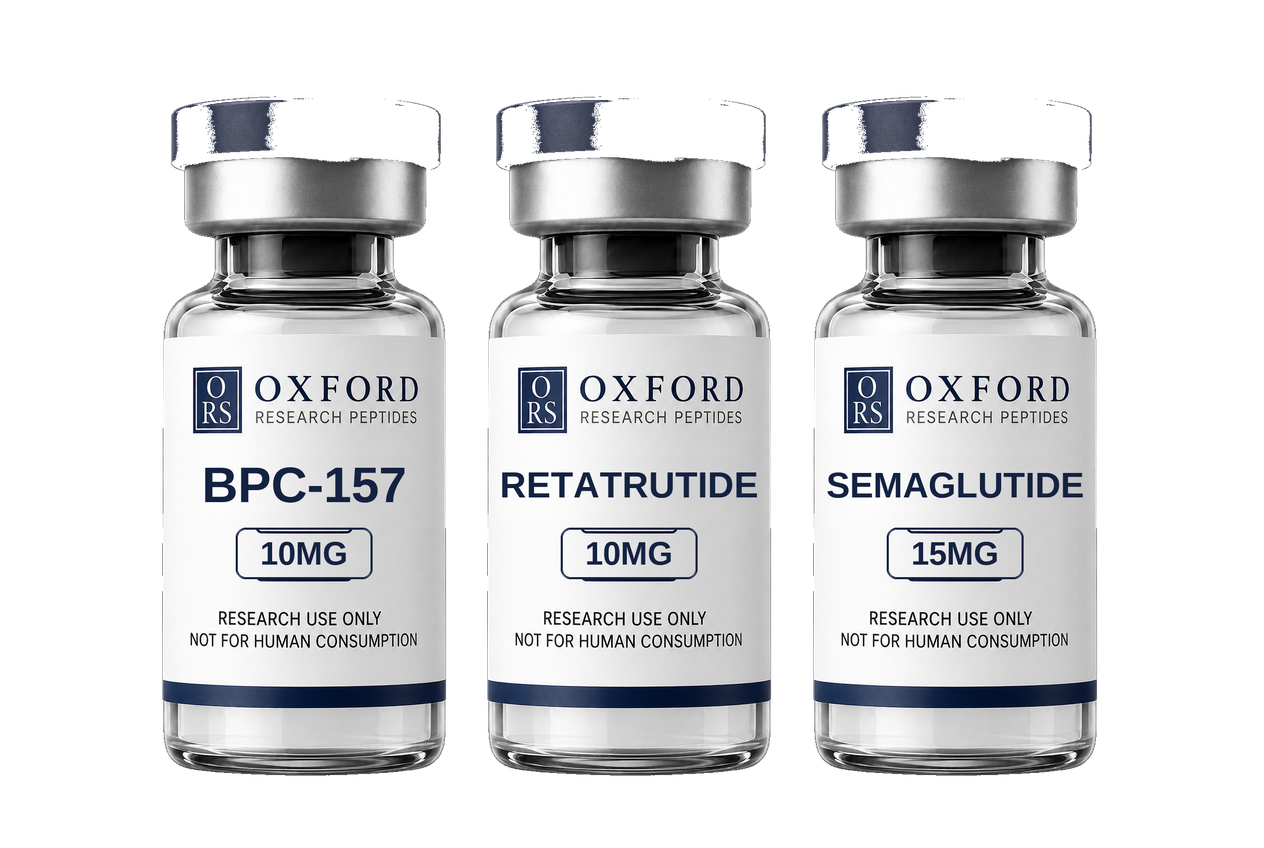
A selection of the research peptides most frequently referenced by laboratories working with our material. Product listings support research — not the other way around.
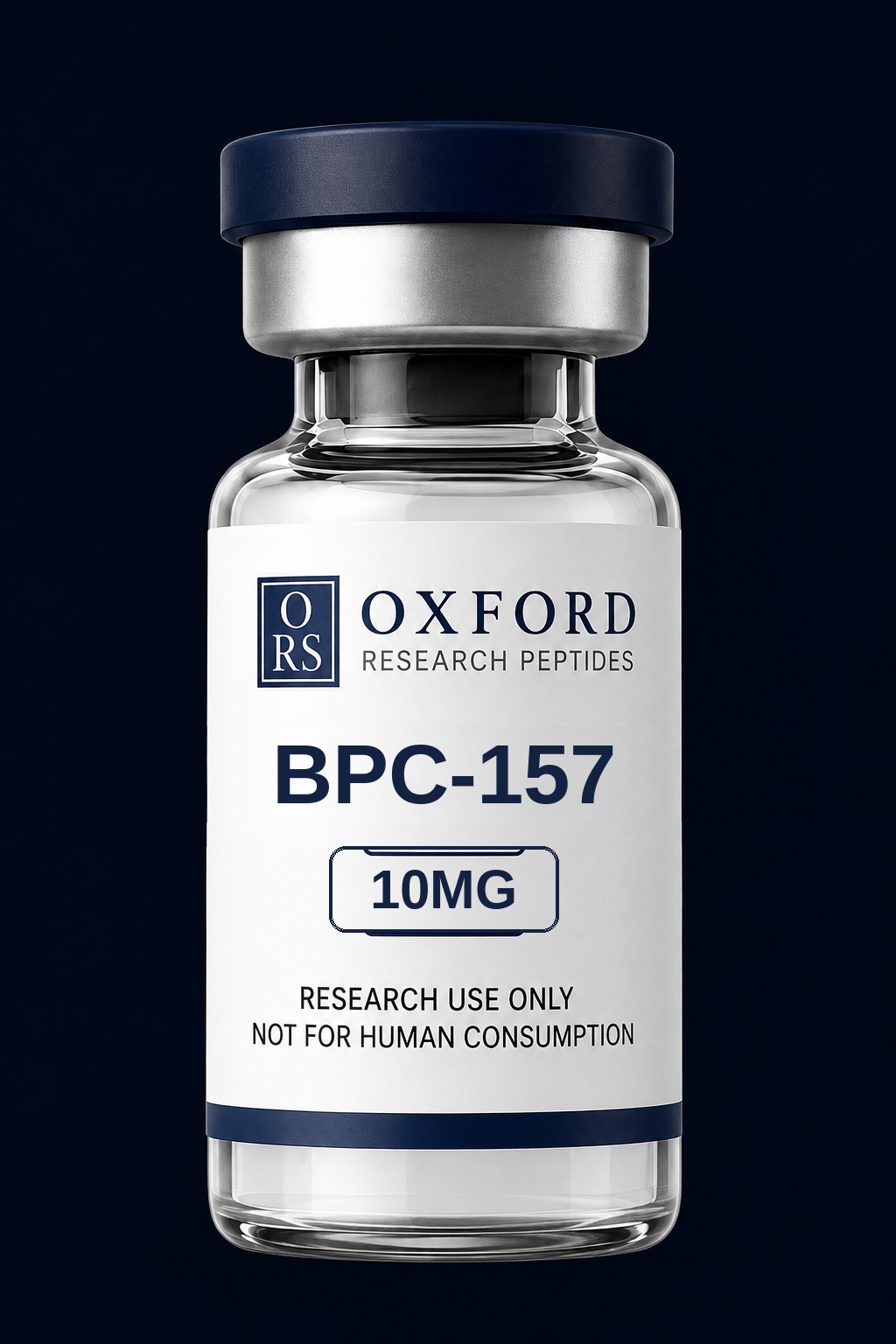

Excellence in Every Batch
We combine advanced peptide synthesis with independent third-party testing to deliver reference-grade material researchers can document and trust.
- Product
- Retatrutide
- Batch Number
- ORP-240501
- Purity (HPLC)
- >99%
- Appearance
- White Lyophilised Powder
- Molecular Weight
- 4,574.6 g/mol
- Test Date
- 01/05/2024
- Result
- PASS
TRUSTED BY RESEARCHERS
"Consistently high purity with full COA provided. Fast delivery and discreet packaging. Highly recommended for in-vitro work."
"Purity is consistently above 99%. Oxford Research Peptides has become our standard supplier for reference material."
"Outstanding documentation and transparency. The best peptide supplier we've sourced from in the UK."
"Lot numbers match the certificates every time and the lyophilised cake is always intact on arrival. Reconstitutes cleanly."
"Ordered late Friday, delivered Monday morning in secure, discreet packaging. Exactly what our lab needs from a UK supplier."